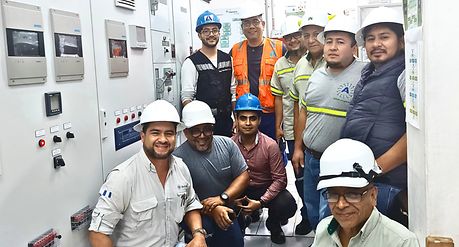
Budhiganga Mandal completes the bridge that was abandoned for 13 years after the investment was made.
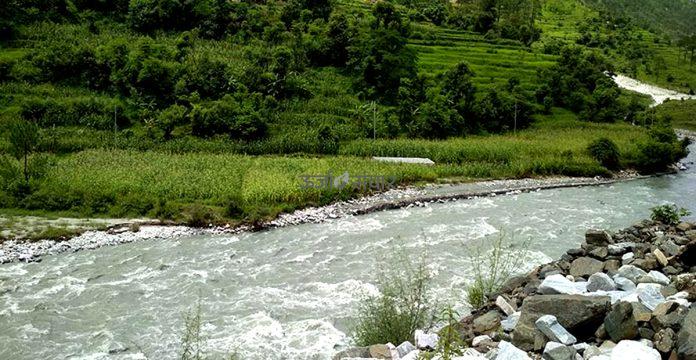
Kathmandu – After more than a decade of delays, the contract agreement for the 20-megawatt Budhiganga Hydropower Project—located on the Budhiganga River, a tributary of the Seti River in Nepal’s Far Western Province—has finally been signed. Originally initiated and studied by the Department of Electricity Development, this long-anticipated project has now officially moved forward after 13 years in limbo.
The breakthrough came swiftly under new leadership. Within just 20 days of Jeevachha Mandal assuming office as Director General of the department on the 23rd of Shrawan, 2082, the contract was finalized—marking a significant milestone in the project’s journey.
Interestingly, this isn’t Mandal’s first engagement with the project. Nearly a year earlier, during his previous tenure as Director General, he had begun the contracting process. At that time, he proposed a major shift in infrastructure: replacing the initial 85-kilometer-long 132 kV transmission line planned for Budhiganga with a more efficient connection through the 48-kilometer Karnali Corridor to Betan.
Mandal had previously submitted his revised project plan to the key financiers—the Kuwait Fund and the Saudi Fund. Encouraged by their positive response, the contract process began to move forward. However, progress came to a halt once again when Mandal was transferred on the 17th of July, 2081.
Upon his return to leadership as Director General on the 23rd of August, Mandal acted swiftly. He awarded the civil construction contract for the Budhiganga Hydropower Project to a joint venture between China’s Sichuan Super Power Engineering Construction and Nepal’s Baniya Nirman. The Department of Electricity Development has tasked them with completing the project within 42 months.
A major obstacle that had delayed the project for years was the proposed 85-kilometer transmission line. Mandal’s decision to reroute it via the 48-kilometer Karnali Corridor not only resolved the bottleneck but also slashed project costs by approximately NPR 4.5 billion.
Meanwhile, the electromechanical contracting phase is nearing completion. The Budhiganga project, designed as a peaking run-of-river hydropower plant, is expected to generate 109.61 gigawatt-hours of electricity annually. Of this, around 76.07 GWh will be produced during the dry season, and 33.54 GWh during the rainy season, according to project studies.
Image Source : Urjasachar
Content Source : 


 Turbine OEM (0)
 Runner repair (0)
 MIV OEM (0)
 Hydraulic System (0)
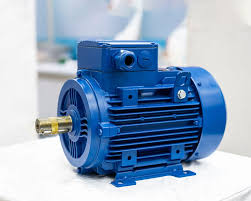 Motors (0)
 Generator OEM (0)
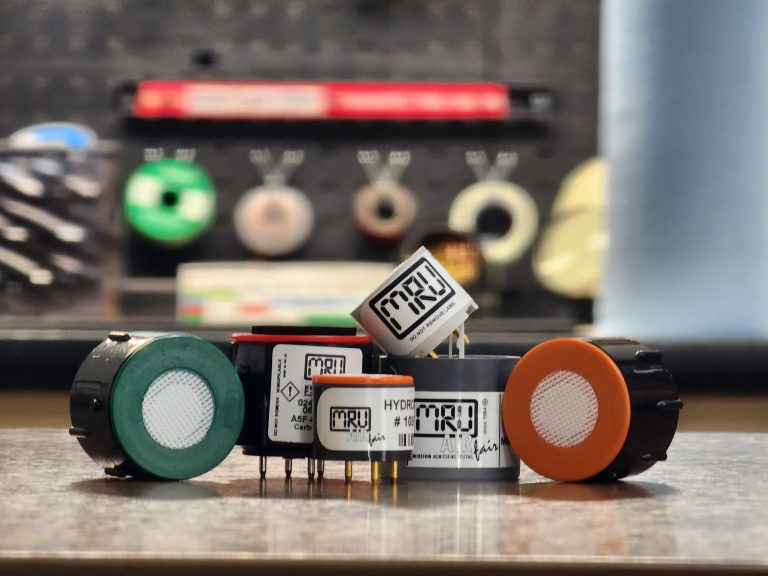 AVR (0)
 Cleaning Repair (0)
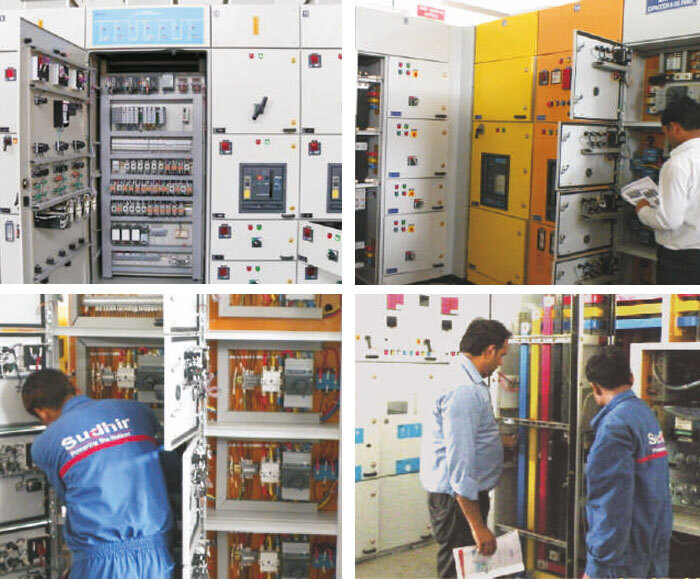 LT Panel Builder (0)
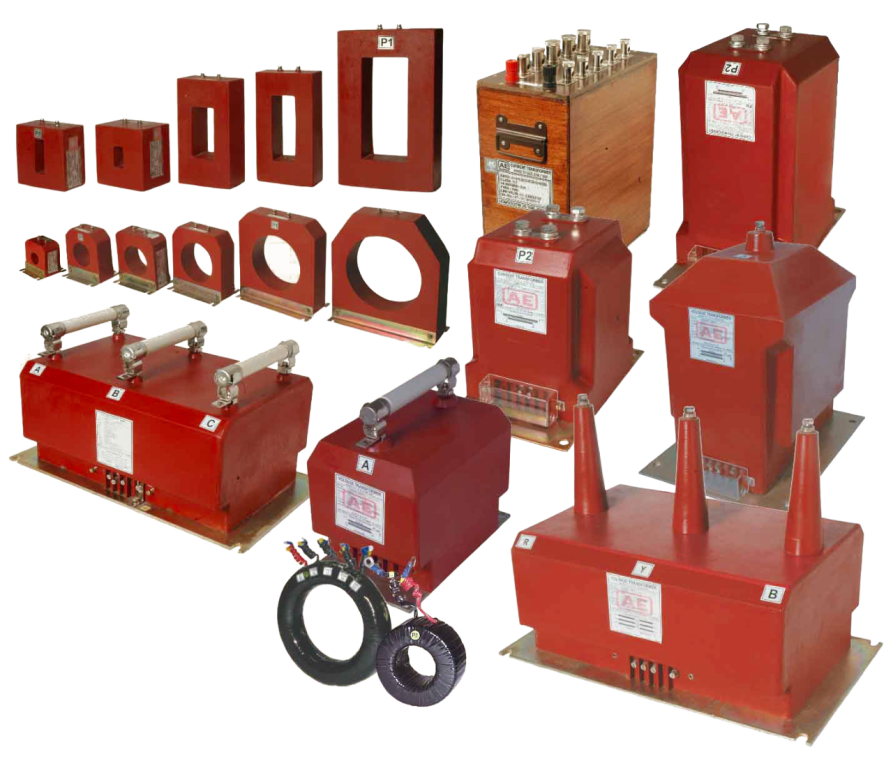 CT and PT (0)
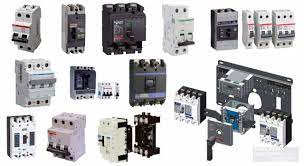 ACB and MPCB (0)
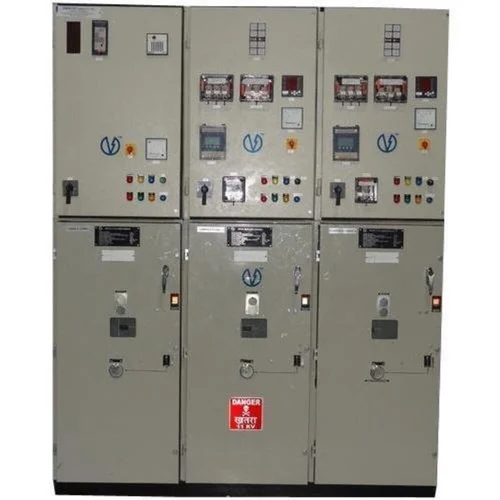 36 kVA VCB Panel (0)
 VCB (0)
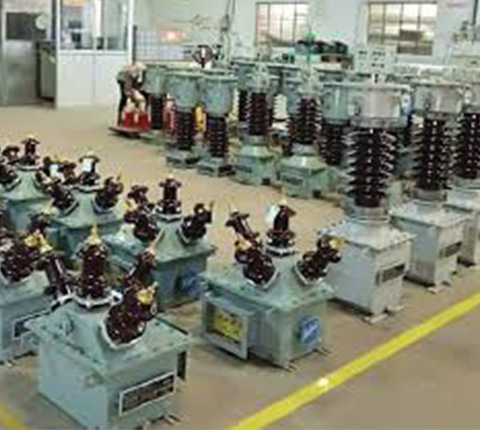 CT&PT (0)
 Circuit Breakers (0)
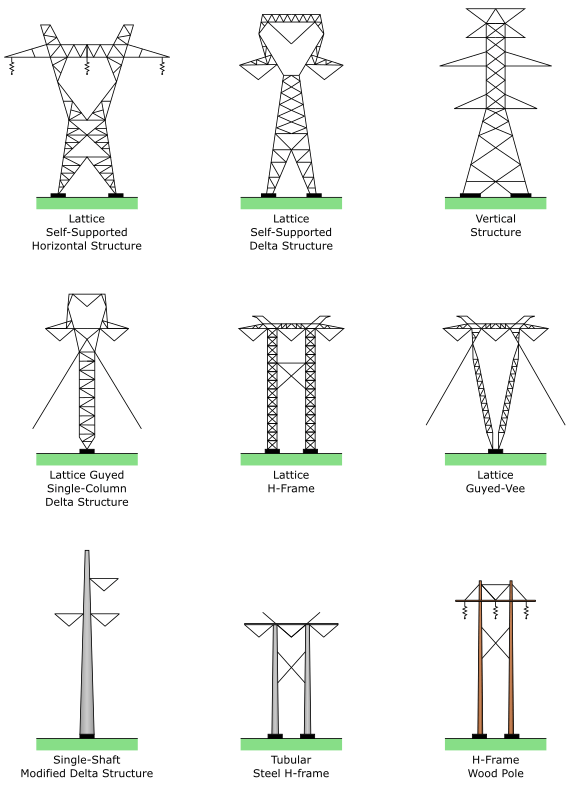 Structures (0)
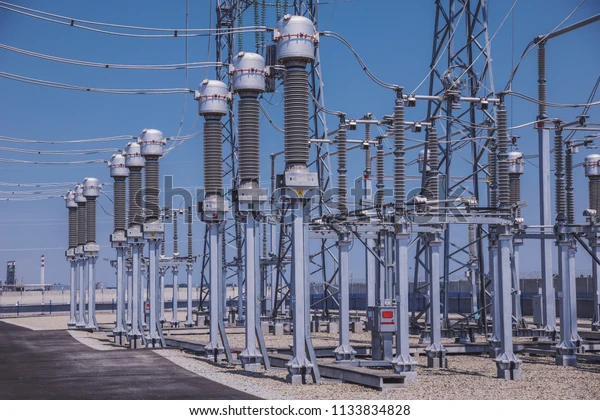 CT and PT (0)
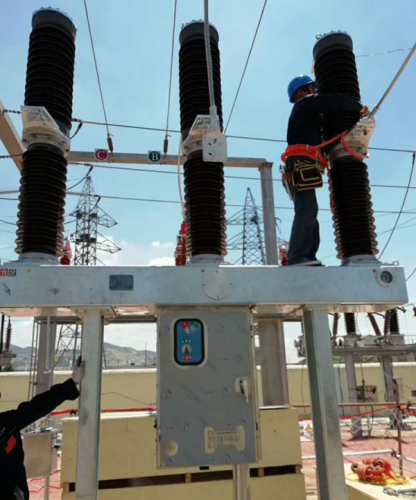 Circuit Breakers (0)
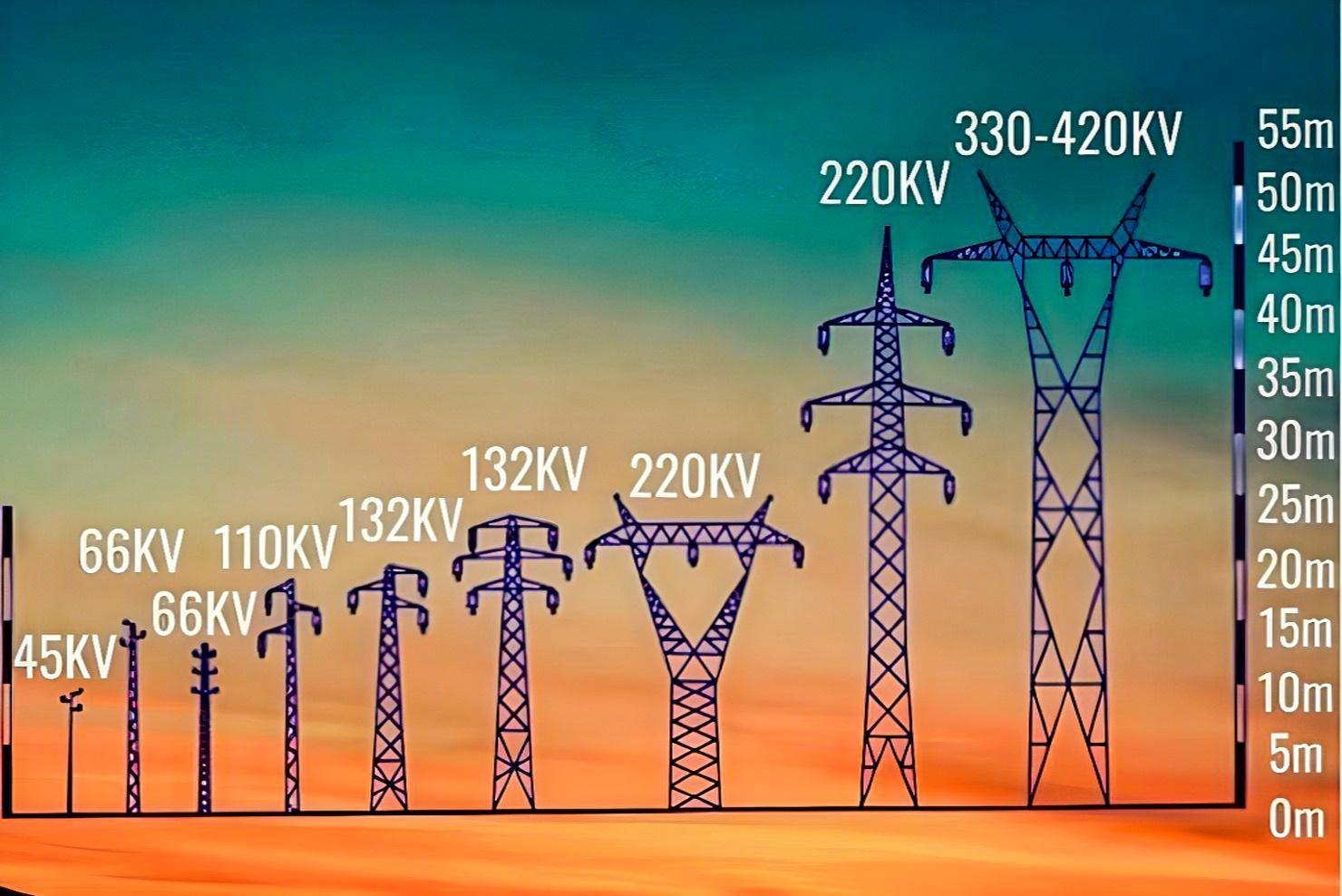 Structures (0)