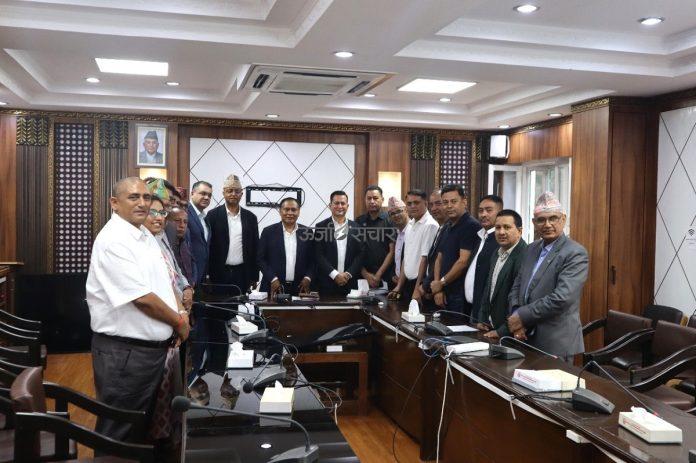
Kathmandu - Minister for Energy, Water Resources and Irrigation, Kulman Ghising, has emphasized that electricity production in Nepal must not be halted due to claims of market shortages, stating that the country's future energy demands remain immense.
Speaking on Thursday during a meeting with the Independent Power Producers’ Association of Nepal (IPPAN), who had come to congratulate him and present a charter of demands, Minister Ghising said Nepal will require 20,000 to 30,000 megawatts of electricity in the years to come.
“Stopping production now will create a crisis in the next 10 years. There is no shortage of market—there is a shortage of market development. If the private sector invests, the government won’t need to,” Ghising stated.
Private Sector Investment Will Be Encouraged
Responding to concerns raised by IPPAN President Ganesh Karki, who said that the Nepal Electricity Authority (NEA) has been delaying Power Purchase Agreements (PPAs) due to perceived market limitations, Minister Ghising assured full cooperation and proactive reforms.
“We’ll amend regulations through the Cabinet, and if necessary, even revise the Act through ordinance. The private sector will be encouraged to invest further,” he assured.
Addressing Forest Clearance Bottlenecks
Minister Ghising acknowledged that the forest clearance process remains a major obstacle in infrastructure and energy development. He committed to resolving these challenges through legal amendments, updated directives, and inter-ministerial coordination, particularly with the Ministry of Forests.
“Unless we solve issues related to forest clearances, infrastructure development—including energy—cannot move forward,” he said, urging IPPAN to present practical and focused solutions related to forest-related challenges.
Minister Ghising: "I'm Here to Make a Difference"
Minister Ghising made it clear that he has taken office with a sense of urgency and a commitment to deliver.
“I was not appointed to make excuses. I will not shy away from challenges once in a decision-making position,” he stated, adding that he is fully aware of critical issues like PPA backlogs, RCOD (Required Commercial Operation Date) extensions, and contingency policies.
IPPAN’s Key Demands to the Government
IPPAN presented a wide range of demands aimed at boosting private sector participation and unlocking energy development. Their key proposals included:
Policy-Level Demands (Ministry of Energy):
-
Expedite EIA/IEE clearances in coordination with the Ministry of Forests.
-
Launch a national plan to boost electricity consumption.
-
Involve private sector in transmission line construction.
-
Facilitate share issuance for hydropower companies awaiting SEBON approval despite having ERC clearance.
-
Enable private sector participation in electricity trade.
Institutional Demands (Department of Electricity Development):
-
Extend power project licenses to 50 years, as per Electricity Act 2049.
-
Issue licenses in accordance with RCOD to match project readiness.
-
Revise licensing guidelines to prevent arbitrary fines and penalties.
Demands to the Nepal Electricity Authority (NEA):
-
Expedite PPA approvals for projects that have applied.
-
Extend RCOD deadlines by three years to accommodate delays.
-
Immediately process PPAs for projects up to 10 MW.
-
Eliminate the contingency and hydrology penalties.
-
Allow automatic PPA capacity revisions up to 25% without lengthy queue processes.
-
Update the energy delivery schedule ("energy table") to reflect current production and demand trends.
Minister Ghising's proactive stance signals a potential shift in how Nepal will approach electricity development—by creating a forward-looking energy market, unlocking private investment, and removing bureaucratic roadblocks.
As Nepal looks to become an energy-surplus nation, experts say this kind of leadership and coordination will be critical to maximizing its hydropower potential.
IMAGE SOURCE : Urjasanchar
CONTENT SOURCE :


 Turbine OEM (0)
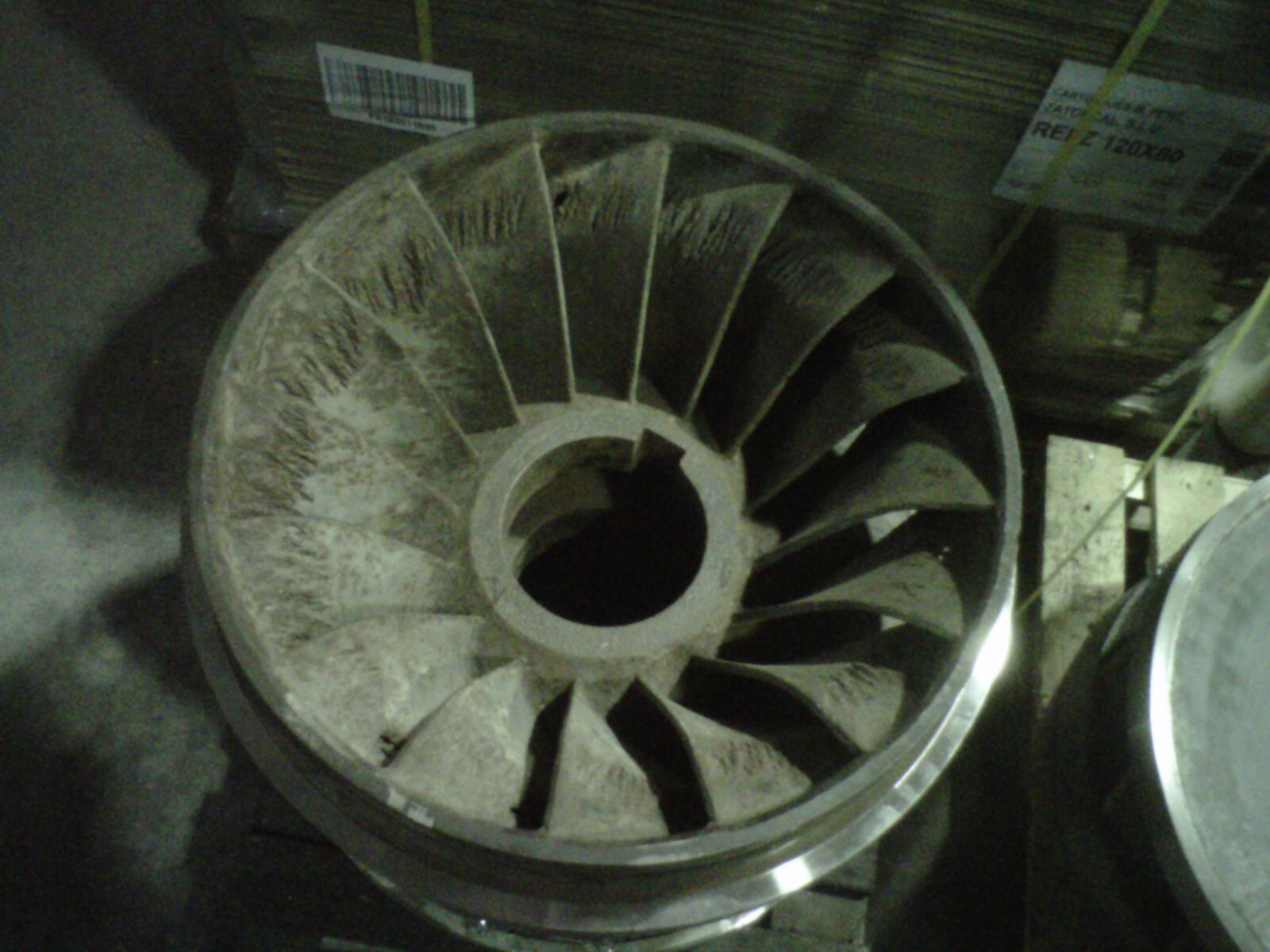 Runner repair (0)
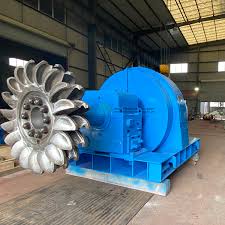 MIV OEM (0)
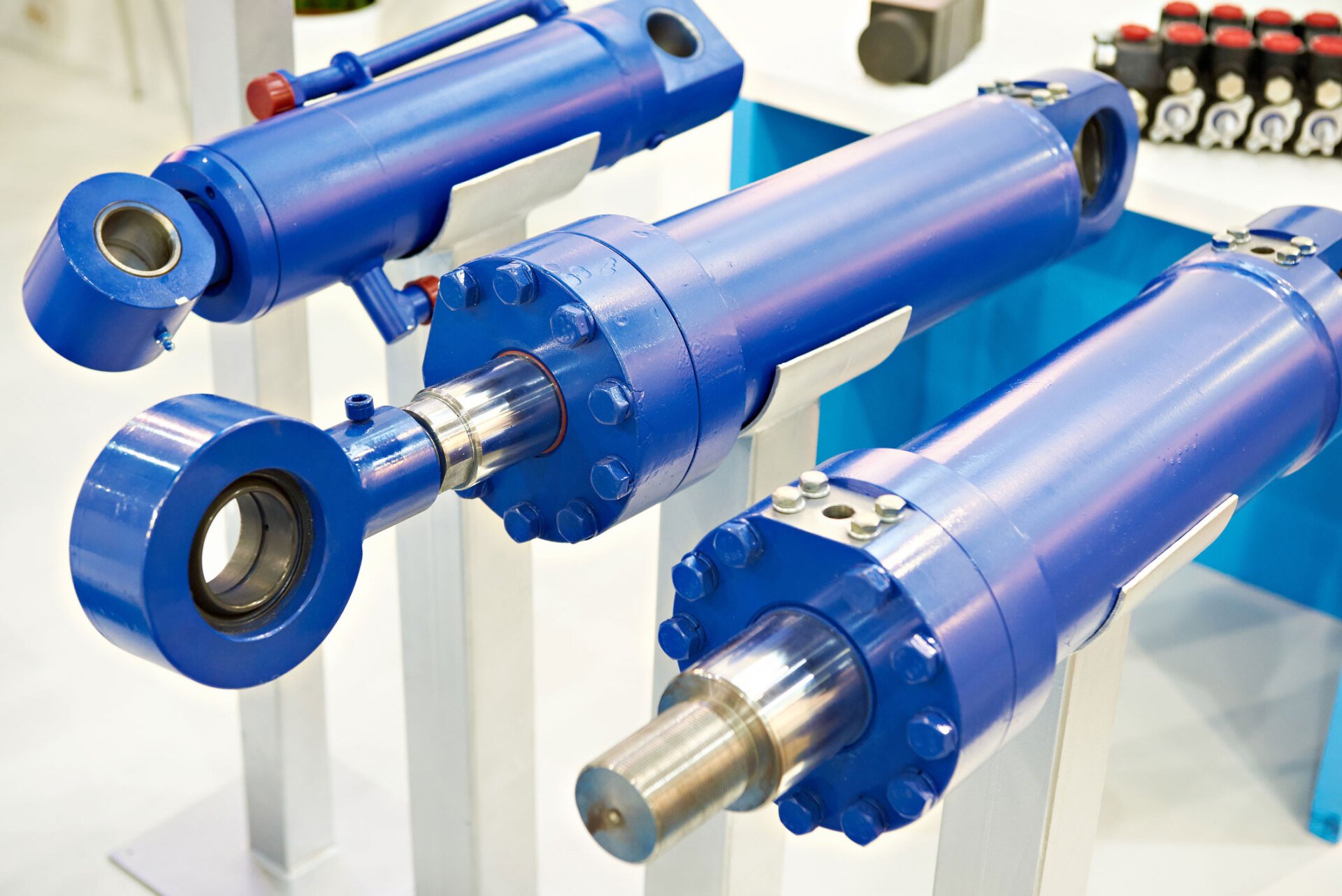 Hydraulic System (0)
 Motors (0)
 Generator OEM (0)
 AVR (0)
 Cleaning Repair (0)
 LT Panel Builder (0)
 CT and PT (0)
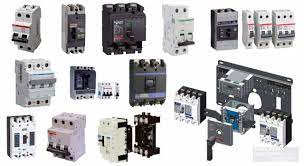 ACB and MPCB (0)
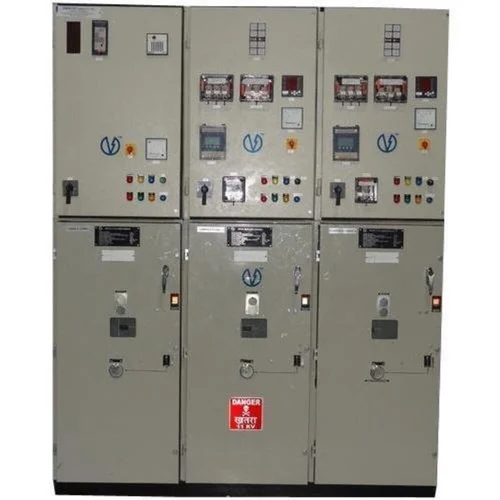 36 kVA VCB Panel (0)
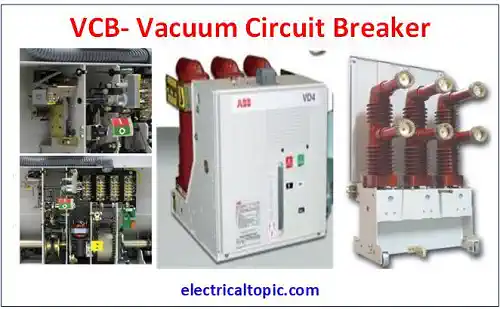 VCB (0)
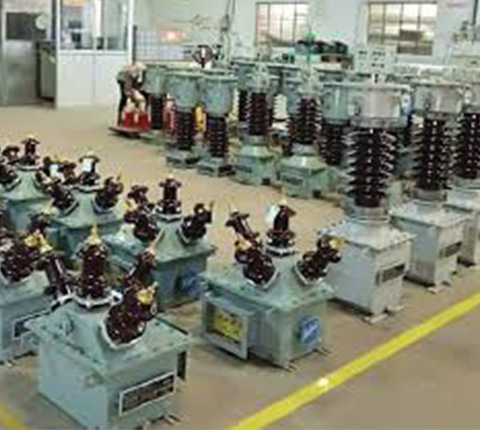 CT&PT (0)
 Circuit Breakers (0)
 Structures (0)
 CT and PT (0)
 Circuit Breakers (0)
 Structures (0)