Recon demands to facilitate development of renewable energy
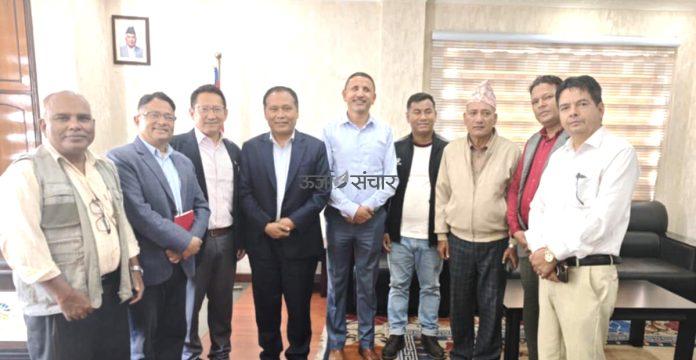
Kathmandu
Memorandum Submitted by the Renewable Energy Confederation of Nepal (RECON)
To: Hon. Kulman Ghising, Minister for Energy, Water Resources and Irrigation
Subject: Strategic Recommendations for Accelerating Renewable Energy Development in Nepal
Honorable Minister,
The Renewable Energy Confederation of Nepal (RECON) extends its warm congratulations on your appointment as the Minister for Energy, Water Resources and Irrigation in the interim government. We wish you great success in your leadership and reaffirm our commitment to work closely with your office in fostering a sustainable, inclusive, and resilient energy future for Nepal.
As the umbrella organization representing over 500 private enterprises and stakeholders engaged in Nepal’s renewable energy ecosystem—including small hydropower, biogas, biomass, solar, wind, and waste-to-energy—RECON is submitting this memorandum to present strategic recommendations and expectations from the private sector.
At this pivotal juncture, when Nepal has pledged to achieve Net Zero emissions by 2045 and is actively pursuing its Nationally Determined Contributions (NDCs) and Long-Term Low Emission Development Strategy (LT-LEDS), we believe bold, coordinated action is essential.
We also take this opportunity to offer our heartfelt condolences to the families affected by the tragic loss of life during the Gen Z protests on Bhadra 23 and 24. These events underline the urgent need for systemic reforms and inclusive development that delivers tangible opportunities to the youth and communities at large.
🔑 RECON’s Key Demands: Unlocking Nepal’s Renewable Energy Potential
1. Policy and Regulatory Reforms
-
Expedite implementation of the Renewable Energy and Energy Efficiency Act (2080) with strong private sector representation in the Energy Regulatory Commission (ERC).
-
Mainstream net metering, decentralized generation, small hydropower, and rooftop solar into national energy strategies.
-
Expand the Public-Private Partnership (PPP) model to a broader range of technologies, with a focus on local employment creation for Gen Z.
2. Green Finance & Investment Mobilization
-
Channel concessional finance into renewable energy through the Green Finance Taxonomy (FY 2023/24).
-
Strengthen green bonds, blended finance, and carbon trading to mitigate investor risk.
-
Provide tax exemptions, customs duty concessions, and subsidized interest rates for renewable projects and equipment.
-
Promote “Made in Nepal – Make in Nepal” by developing local manufacturing and assembly of RE technologies to foster domestic employment.
-
Offer subsidized electricity rates for industries supporting clean energy solutions like briquettes and pellets.
3. Technology Advancement & Diversification
-
Accelerate deployment of solar PV/thermal, micro/mini hydropower, wind, biogas, biomass, improved cookstoves, and EV infrastructure.
-
Fast-track grid integration of small hydropower via PPPs.
-
Prioritize decentralized generation and mini-grids in underserved regions.
-
Promote R&D partnerships with universities and international institutions.
-
Create an incentive framework to raise renewable energy’s share to 30% of the national mix.
-
Introduce dedicated JCL codes for importing RE machinery and maintain standardized import procedures.
-
Grant 20-year income tax exemptions for RE industries.
4. Inclusive and Localized Development
-
Empower local governments to operate as Local Energy Utilities with end-to-end authority.
-
Ensure equitable participation of women, youth, Gen Z, and marginalized groups in energy ownership, employment, and entrepreneurship.
-
Support local-level energy planning, capacity building, and financial literacy.
-
Integrate energy access with micro and small enterprises, fostering rural industry and innovation.
5. International Collaboration and Carbon Markets
-
Leverage global mechanisms under Article 6 (ITMO) and the Voluntary Carbon Market (VCM) for inclusive climate finance.
-
Establish a National Carbon Registry and Exchange.
-
Strengthen ties with India, China, the EU, GCF, IRENA, GGGI, PFAN, and others for technology and finance transfer.
🚀 Immediate Action Plan (First 90 Days)
A. Institutional & Policy Framework
-
Create a Joint Renewable Energy Task Force (MoEWRI-AEPC-NEA-RECON) to expedite pipeline projects.
-
Finalize ERC restructuring ensuring transparency and private sector inclusion.
-
Fast-track carbon trading regulations and launch Nepal’s Carbon Market Roadmap in alignment with NDC 3.0.
B. Finance & Incentives
-
Instruct NRB and banks to allocate soft loans, interest subsidies, and guarantee mechanisms for RE developers.
-
Launch Rooftop Solar Soft Loan Program with generation-based incentives (GBI) for industrial, commercial, and public buildings.
C. Production & Infrastructure
-
Scale up rooftop solar (50kW to 5MW) across urban households, industries, and government offices with easy net metering, interest subsidy, and GBI.
-
Promote battery storage through Viability Gap Funding (VGF), B2G models, and time-of-use tariffs.
-
Implement a Solar Thermal Replacement Program to substitute LPG and traditional fuels.
-
Offer land, infrastructure, and tax packages to develop domestic manufacturing of RE equipment.
D. Regional & Localized Rollout
-
Terai: Expand solar irrigation (both grid-PPA and net-metering). Hills/Himalayas: Integrate small hydro + battery + irrigation.
-
Promote RE technologies for rural livelihoods and empower local bodies to operate autonomously in production and distribution.
-
Implement the “Industry-Ready Power” program to ensure consistent supply for manufacturing, with refined time-of-use tariffs.
-
Link RE projects to rural industries and entrepreneurship through local governments, paired with Gen Z-focused skill development programs.
🌱 Conclusion: A Decade of Opportunity
Nepal now stands at the threshold of the Renewable Energy Decade (2075–2085). Under your visionary leadership, this is a golden opportunity to:
-
Drastically reduce fossil fuel dependency
-
Enhance energy security
-
Deliver on climate commitments
-
Empower youth, women, and local communities
RECON pledges to be your trusted partner in this transformative journey—mobilizing private investment, accelerating innovation, and ensuring the sustainable expansion of clean energy across Nepal.
With sincere respect and optimism,
Renewable Energy Confederation of Nepal (RECON)
Image Source : Urjasanchar
Content Source : 


 Turbine OEM (0)
 Runner repair (0)
 MIV OEM (0)
 Hydraulic System (0)
 Motors (0)
 Generator OEM (0)
 AVR (0)
 Cleaning Repair (0)
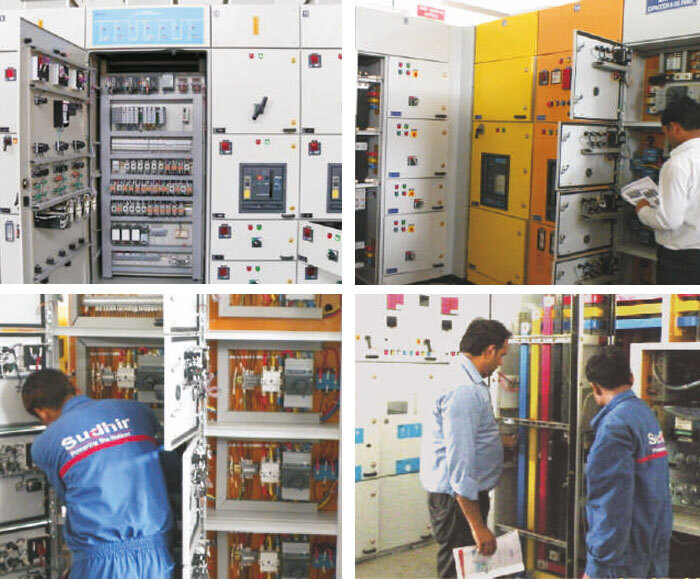 LT Panel Builder (0)
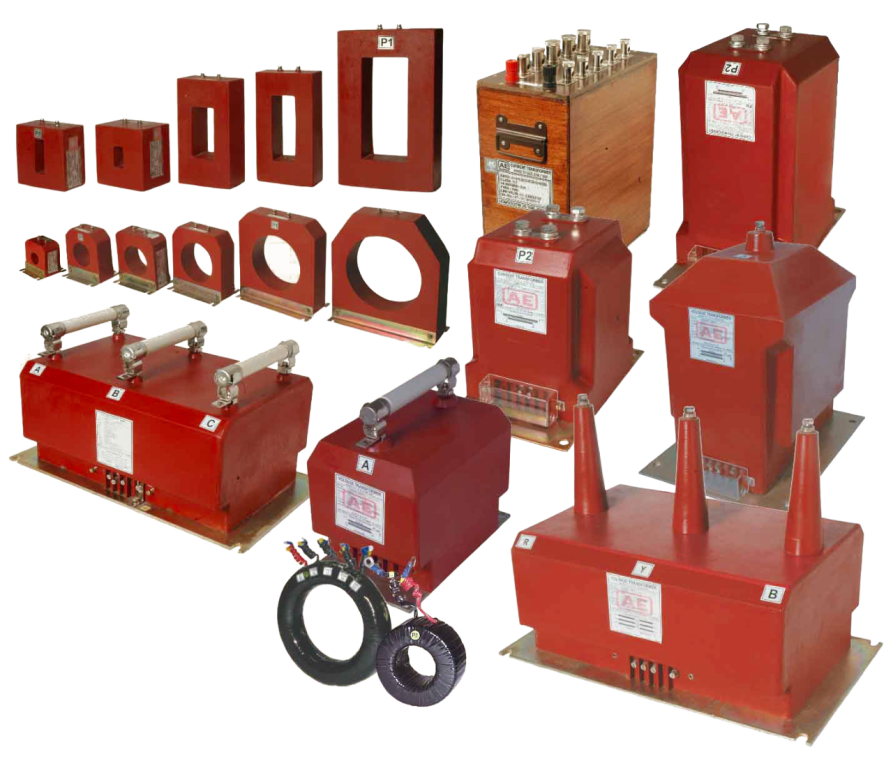 CT and PT (0)
 ACB and MPCB (0)
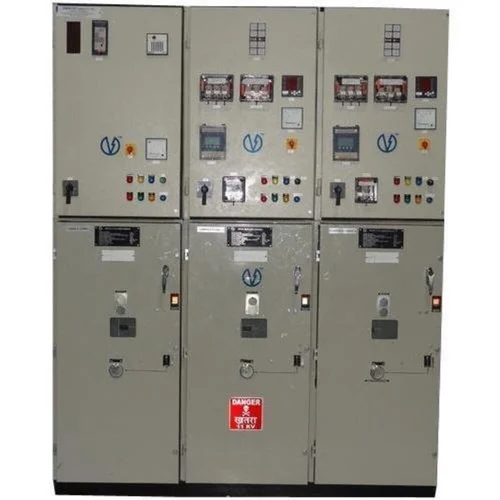 36 kVA VCB Panel (0)
 VCB (0)
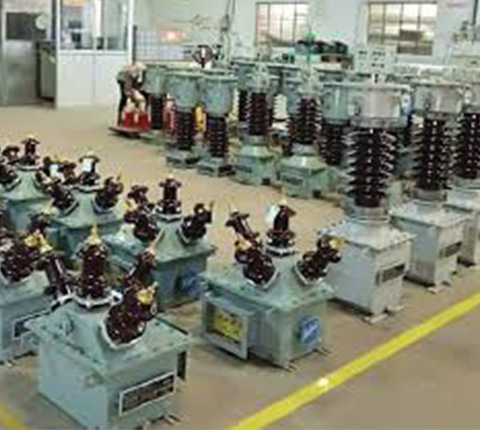 CT&PT (0)
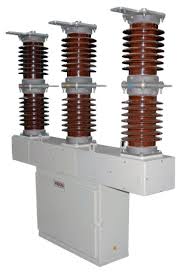 Circuit Breakers (0)
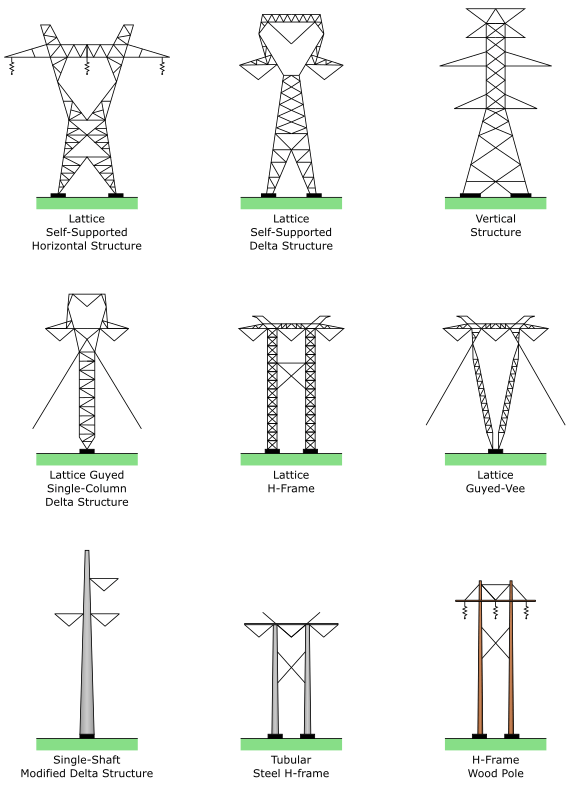 Structures (0)
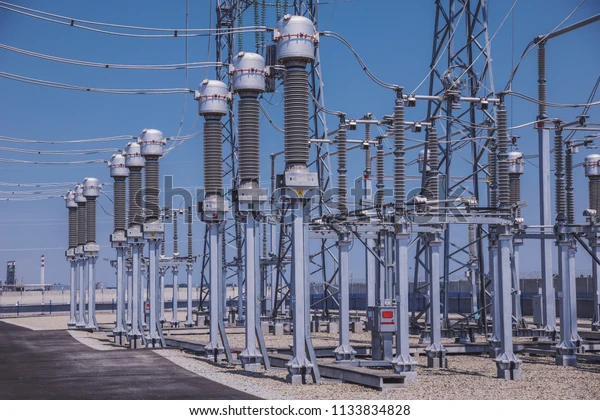 CT and PT (0)
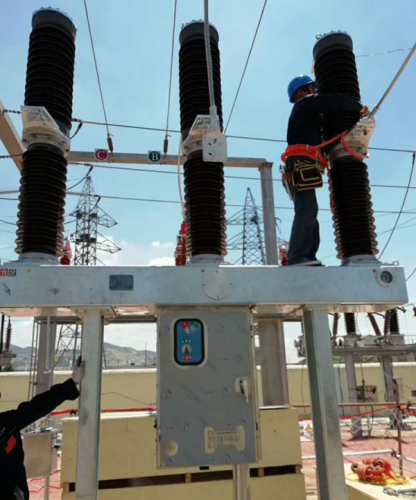 Circuit Breakers (0)
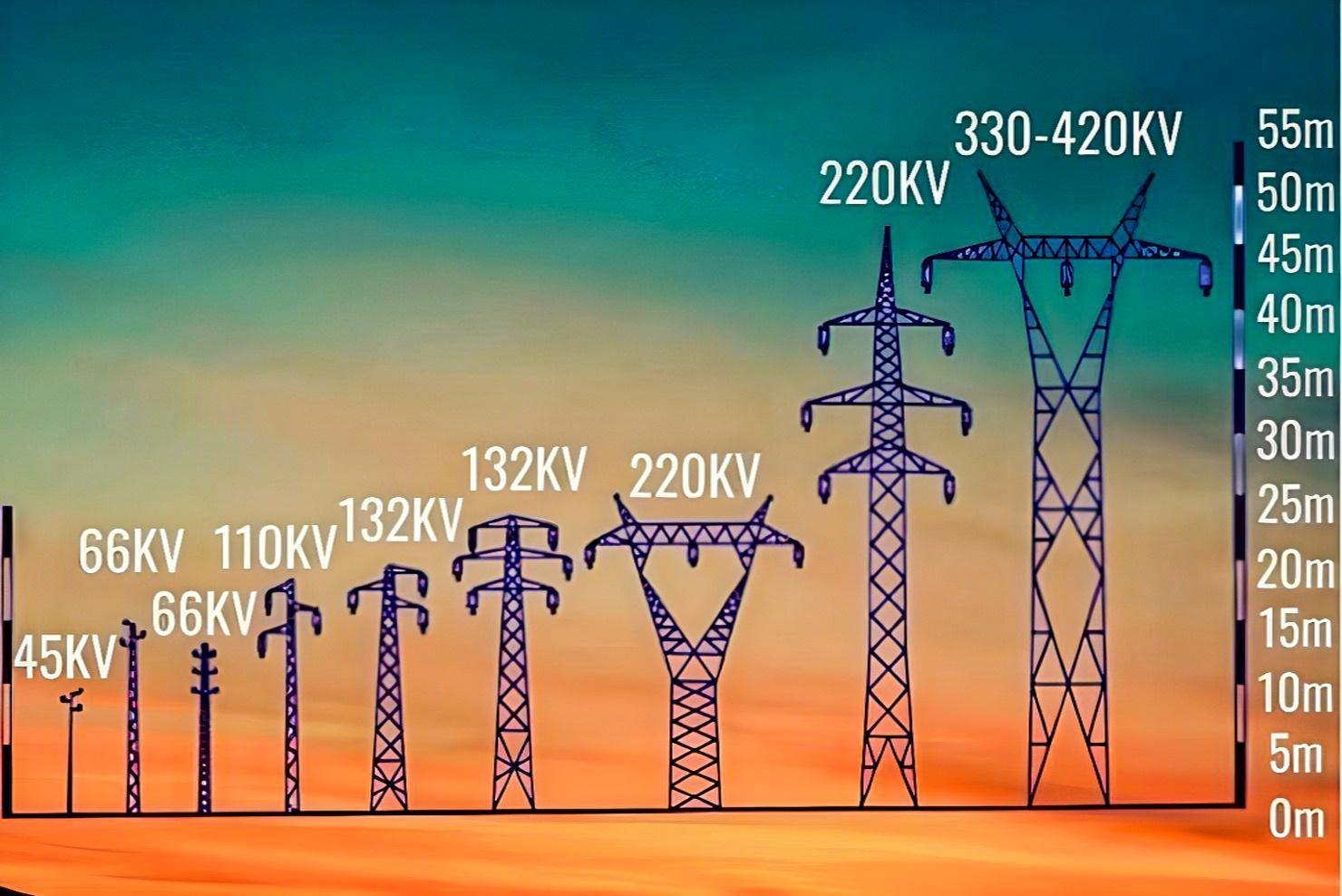 Structures (0)